Winter RV Getaway Planning With Preventive Maintenance and the Right Travel Coverage
Smart Winter RV Preparation for a Safer and More Enjoyable Road Trip

Introduction
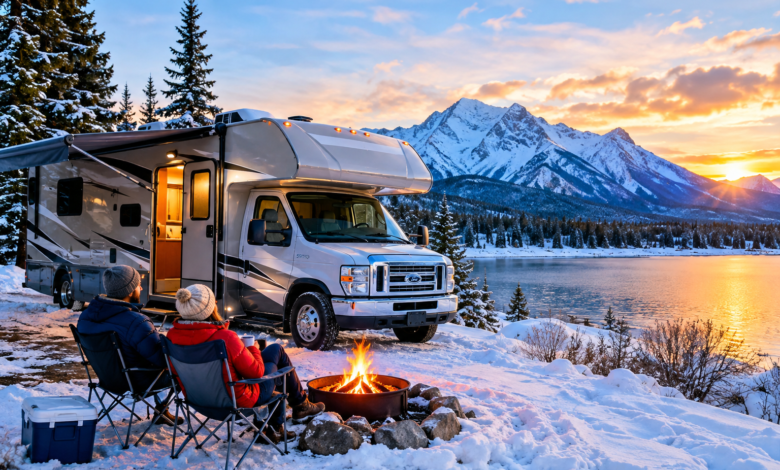
Winter RV travel can turn an ordinary road trip into a memorable adventure. Snow-covered landscapes, peaceful campgrounds, mountain views, and quieter travel routes make the colder months appealing to many RV enthusiasts. However, a successful winter getaway requires more preparation than a typical warm-weather trip.
Winter RV getaway planning with preventive maintenance and the right travel coverage starts before you leave home. Checking the RV, preparing for freezing temperatures, planning the route, and reviewing insurance can help reduce avoidable problems during the journey. A little preparation can make the difference between enjoying the scenery and spending your vacation dealing with preventable repairs.
Why Winter RV Travel Requires Extra Planning
Cold weather places additional demands on an RV. Freezing temperatures can affect plumbing, batteries, tires, seals, heating equipment, and other systems. Snow, ice, rain, and strong winds can also change driving conditions and make travel schedules less predictable.
The RV Industry Association recommends paying particular attention to exterior seals, plumbing, holding tanks, propane supplies, batteries, heating, and emergency supplies when preparing an RV for winter conditions.
Before departure, consider the expected temperatures, length of the trip, route conditions, campground availability, and distance between fuel or repair facilities. Building extra time into your itinerary can also help if weather causes delays.
Start With a Complete RV Inspection
Preventive maintenance should be one of the first steps in your winter RV getaway planning. Do not wait until you are already on the road to discover that a tire is underinflated, a battery is weak, or a seal is damaged.
Check Tires, Brakes, and Wheels
Inspect all tires for visible damage, unusual wear, cracks, and proper inflation. Cold temperatures can affect tire pressure, so check pressures according to the RV manufacturer’s recommendations.
Brakes and wheel components should also receive attention before a long journey. If you notice unusual sounds, vibration, or braking problems, have the vehicle inspected by a qualified professional before traveling.
Inspect the Roof and Exterior
Water intrusion can become a major problem during wet and freezing weather. Examine roof seams, windows, doors, vents, and exterior compartments for damaged or deteriorated seals.
The RV Industry Association specifically recommends inspecting window seals and weather stripping as part of winter preparation.
Repairing a small seal before departure is generally much easier than dealing with moisture damage during a trip.
Protect the Plumbing System From Freezing
One of the most important parts of winter RV preparation is protecting the water system. Water can freeze and expand, potentially damaging pipes, fittings, tanks, and other plumbing components.
If the RV will be stored in freezing conditions, winterization commonly involves draining water from tanks and lines, bypassing the water heater when appropriate, and using non-toxic RV or marine antifreeze according to the manufacturer’s instructions.
However, RV owners who intend to actively camp throughout winter may need a different approach. The correct procedure depends on the RV design, expected temperatures, and whether the plumbing system will remain operational.
Always follow the RV manufacturer’s instructions rather than applying a one-size-fits-all procedure.
Test the Heating and Electrical Systems
A reliable heating system is essential when traveling in cold weather. Test the furnace or other heating equipment before leaving and make sure vents are clear.
Batteries also deserve attention. Cold temperatures can reduce battery performance, while extended use of lights, heating equipment, fans, and other electrical systems can increase demand.
If your RV uses a generator, test it before the trip and confirm that it operates correctly. A backup power plan can be particularly useful when traveling to remote destinations.
Prepare an Emergency Winter Kit
Good winter RV getaway planning includes preparing for unexpected delays. Even if the weather forecast looks favorable, conditions can change quickly.
Consider carrying:
- Warm clothing and extra blankets
- Flashlights and spare batteries
- Basic tools
- Tire-pressure equipment
- Portable charging equipment
- Drinking water
- Non-perishable food
- Important vehicle documents
- Insurance information
- Roadside assistance details
- Emergency contact information
The RV Industry Association also recommends preparing extra clothing, blankets, water, batteries, navigation equipment, and other emergency supplies for winter RV travel.
The goal is not to expect a disaster. It is simply to make an unexpected delay more manageable.
Plan Your Route Around Winter Conditions
A beautiful destination is only part of a successful winter RV trip. The route matters just as much.
Check weather forecasts before departure and continue monitoring conditions during the journey. Snow, ice, high winds, and heavy rain can make RV driving more challenging.
Avoid creating an overly tight schedule. If a particular section of the route becomes unsuitable because of weather, having additional time gives you the flexibility to stop, change your route, or wait for conditions to improve.
It is also useful to identify fuel stations, campgrounds, service facilities, and potential overnight stops along the route.
Review Your RV Travel Coverage
Maintenance protects the physical condition of your RV, while appropriate insurance can help address certain financial risks. These are separate parts of responsible winter RV getaway planning.
Do not assume that an existing vehicle policy automatically provides every type of protection you may need. Coverage varies by insurer, vehicle, location, and policy.
Before leaving, review important areas such as liability coverage, physical damage protection, theft, roadside assistance, and emergency expenses. Some RV insurance policies may offer additional protection for situations such as temporary accommodation while an RV is being repaired.
If your journey crosses an international border, confirm the insurance requirements for the destination before departure. Coverage requirements and policy terms can differ between jurisdictions.
Keep Your Coverage Details Accessible
Insurance is most useful when you understand what it actually covers. Keep policy information, identification documents, emergency numbers, and roadside assistance details somewhere accessible.
It is also worth checking the policy’s exclusions, deductibles, geographic limitations, and requirements for making a claim. If you are uncertain about a particular situation, contact the insurer before traveling.
A few minutes spent reviewing the policy can prevent confusion if an unexpected event occurs.
Choose Winter-Friendly Campgrounds
Your destination should be evaluated for winter suitability, not simply scenic appeal. Some campgrounds have seasonal closures, limited services, or restrictions during colder months.
Before booking, check whether the campground provides the facilities your RV requires. Consider access roads, electrical hookups, water availability, dump facilities, propane availability, and emergency access.
If temperatures are expected to remain below freezing, understand how the campground handles water connections and other winter services.
Inspect the RV Again During the Trip
Preventive maintenance should not end when you leave home. During longer journeys, make quick inspections at regular stops.
Look at the tires, exterior compartments, visible seals, lights, and fluid levels. Pay attention to unusual smells, sounds, warning lights, or changes in heating performance.
Small warning signs are easier to address when they are discovered early.
Final Checklist Before Departure
Before beginning your winter RV getaway, review these essentials:
- Check tire condition and pressure.
- Inspect brakes and major mechanical systems.
- Test the heating system.
- Check batteries and charging equipment.
- Inspect roof, windows, doors, and exterior seals.
- Protect the plumbing according to the RV manufacturer’s instructions.
- Confirm propane and fuel arrangements.
- Prepare emergency supplies.
- Check the weather and road conditions.
- Review insurance and roadside assistance coverage.
- Save important documents and emergency contacts.
- Leave enough flexibility for weather-related delays.
Enjoy the Journey With Better Preparation
Winter RV travel does not have to be complicated. The key is to treat preparation as part of the adventure rather than an inconvenient task.
A thorough inspection can identify maintenance issues before they become roadside problems. Proper cold-weather preparation can help protect sensitive RV systems, while flexible route planning can make changing conditions easier to manage. Reviewing travel coverage provides another layer of preparedness.
Ultimately, winter RV getaway planning with preventive maintenance and the right travel coverage is about reducing avoidable surprises. When your RV is prepared, your route is flexible, your emergency supplies are ready, and your coverage is understood, you can focus more of your trip on the scenery, destinations, and experiences that make winter RV travel worthwhile.
Insurance requirements and coverage vary by location and policy. Always confirm your specific coverage with your insurer before traveling.


